Before you buy
Choosing the machine
Many LTC pharmacies run packagers from more than one vendor. The right fit depends on your volume, your drug mix and how you run cycle fill, the scheduled refill of every resident's medications.
LTC pharmacy automation
We work with you on choosing the right packager, preparing your drug data, connecting it to FrameworkLTC and keeping reject rates down after go-live.

The transcript will appear here with the video.
Why it matters
Pharmacies buy a packager for the throughput. Most of that throughput is won or lost in the setup. Charles Lenzner has done that setup many times as an implementation specialist at Omnicell, and works with pharmacies directly through Lenzner Advisory.
Before you buy
Many LTC pharmacies run packagers from more than one vendor. The right fit depends on your volume, your drug mix and how you run cycle fill, the scheduled refill of every resident's medications.
Before it arrives
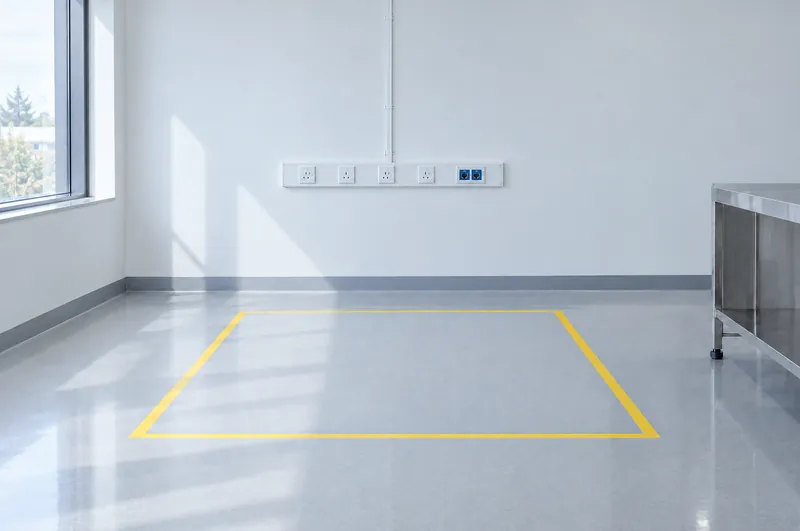
Your team builds the NDC list and drug database that tell the pharmacy system which drugs go to automation. NDC is the National Drug Code on every drug package. IT connects the packager to FrameworkLTC. Pharmacies routinely underestimate both.
After go-live
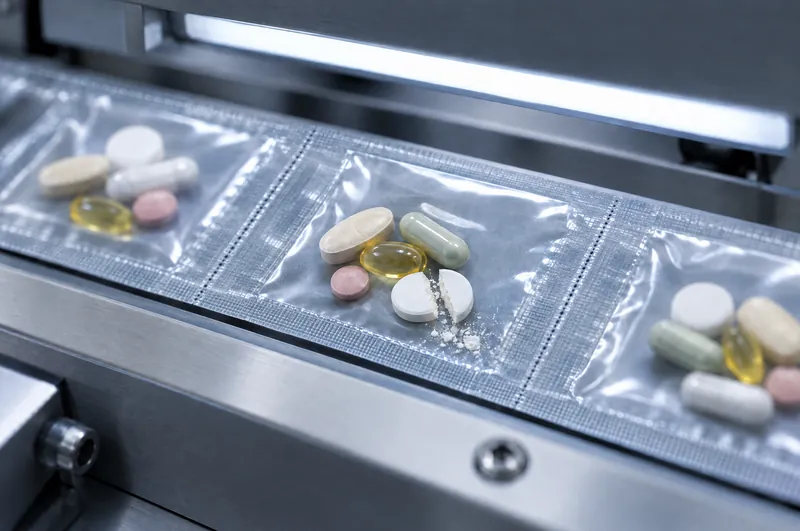
Vision inspection rejects pouches with broken or half tablets, dust or wrong counts. Customers expect a reject rate under 2%. Most reject problems trace back to cassette calibration and dust.
How it fits together
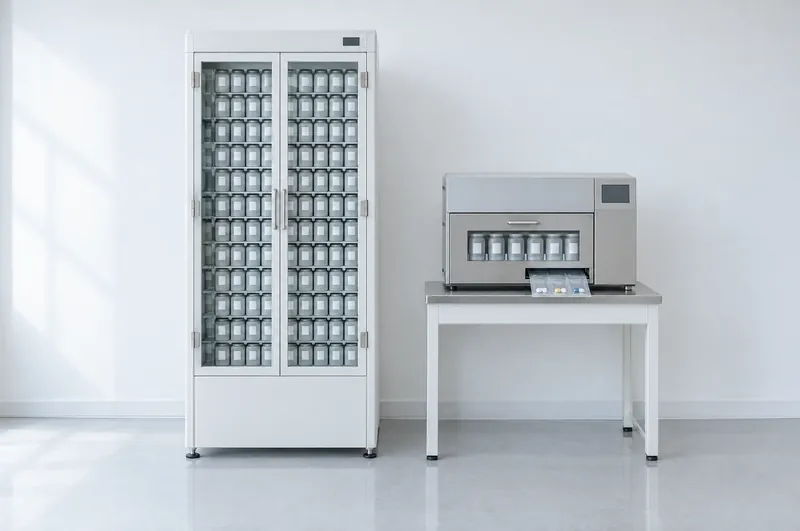
A multi-med packager sits in the middle of a chain. Each link has to be set up correctly before the machine can run at the speed you paid for.
In the pharmacy system, usually FrameworkLTC.
If the drug's NDC is on the automation list.
Receives the order over dedicated IPs and firewall rules.
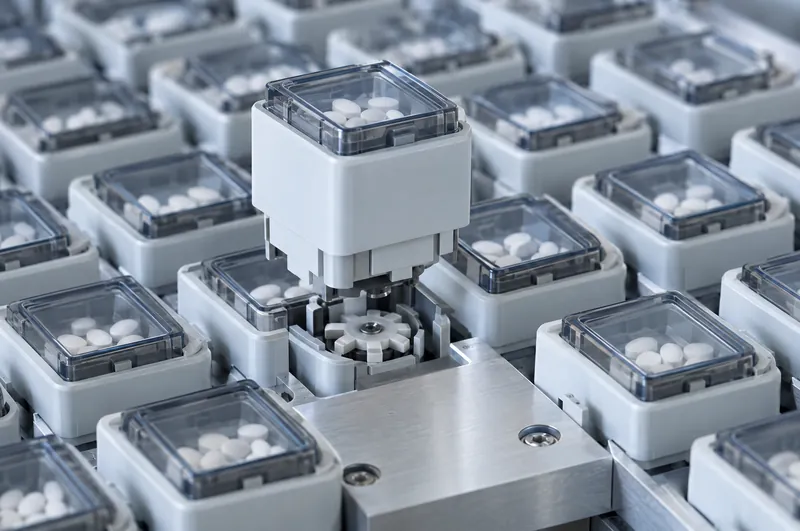
Each cassette is calibrated for one NDC and sits on a feeder base.
Checks each pouch for broken tablets, dust and wrong counts.
Passed pouches go to the facility. Rejects are reviewed and corrected.
Process
A short call about your pharmacy, your volume and what you want from automation.
Charles reviews your workflow, order volume, drug mix and current systems on site, with follow-up by video call.
You get a written plan covering what to buy or fix, what has to happen before install, and who does each part.
Charles works alongside your team and IT through the NDC homework, the FrameworkLTC connection, staff training and the first weeks of production.
After go-live, reject reports and cassette performance are reviewed until the machine runs at the rate you expect.
For a new install, the time from first call to go-live is usually three to six months.
Whether you are planning your first machine or trying to get an installed one to perform, a first call is the quickest way to find out where you stand.