Services
Four ways we work with LTC pharmacies on packaging automation.
Each service can stand alone, or they can run in sequence from the first assessment through go-live and after. Every engagement is scoped and quoted after the first call, so you know the cost before any work starts.
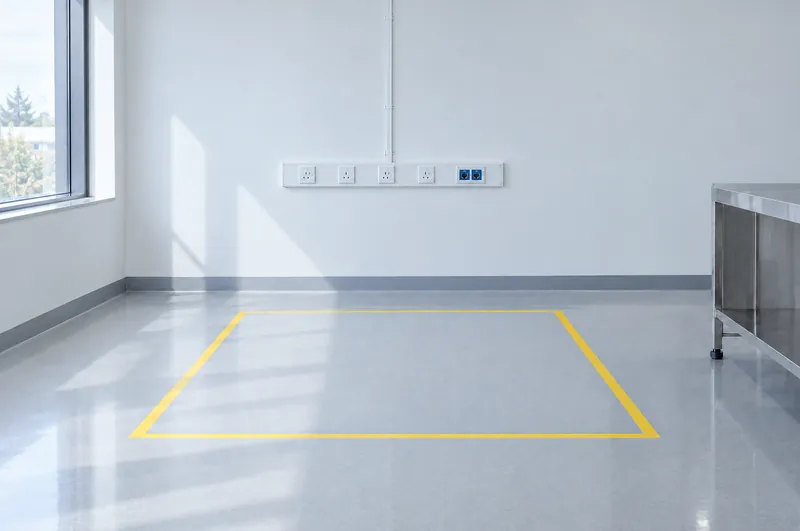
Service 1 of 4
Automation readiness assessment
- Who it's for
- Pharmacies considering their first multi-med packager, or adding capacity to what they run today.
- What Charles does
- Reviews your order volume, drug mix, cycle fill schedule, space, power and network, and how your team works today.
- What you get
- A clear answer on whether you are ready, what to fix first, and what size and type of machine fits your volume.
- Typical timeline
- Usually two to three weeks, from the first site visit to written findings.
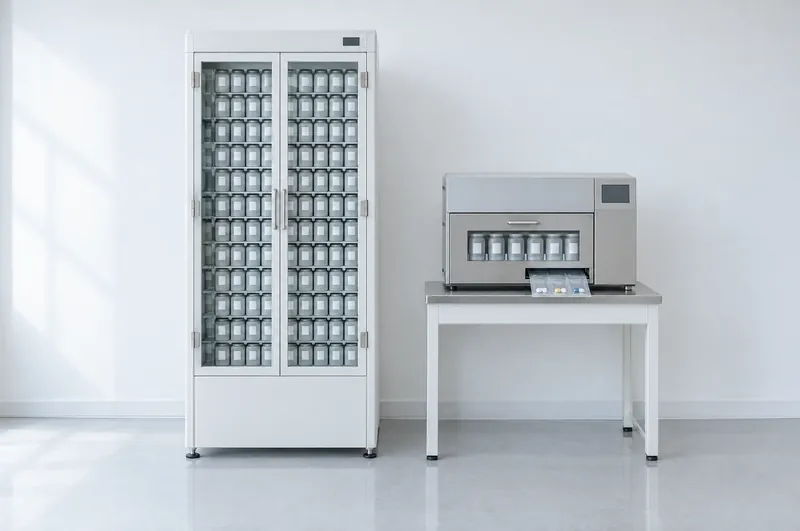
Service 2 of 4
Vendor selection support
- Who it's for
- Pharmacies that have decided to automate and need to choose between vendors.
- What Charles does
- Helps you write requirements, sits in on demos, compares quotes and works through contract questions with you. Many LTC pharmacies run packagers from several vendors, such as Omnicell, Parata, RxSafe, Dosis, Swisslog and McKesson’s Pacmed.
- What you get
- A decision based on your volume and workflow, and a contract you understand before you sign.
- Disclosure
- Charles works in the packaging automation industry. If any relationship could bear on a recommendation, he tells you at the start of the engagement, before you rely on his advice.
- Typical timeline
- Usually one to three months, depending on how many vendors you evaluate.
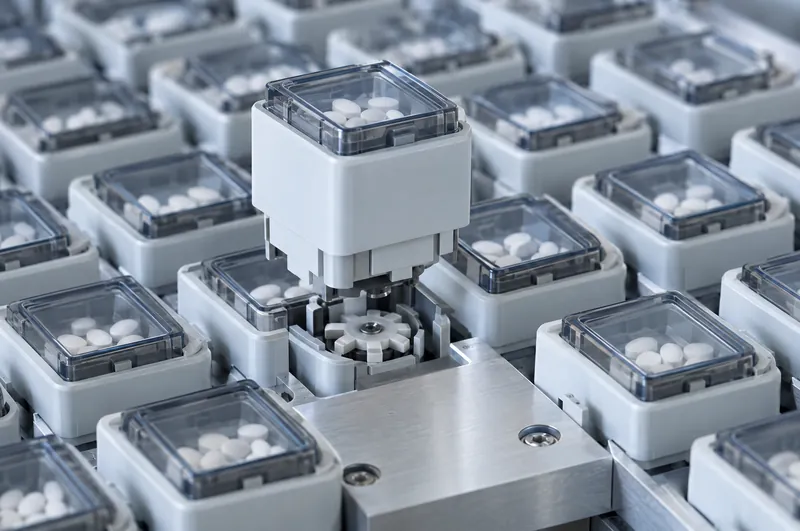
Service 3 of 4
Implementation and go-live
- Who it's for
- Pharmacies with a machine purchased and an install date coming up.
- What Charles does
- Guides the NDC homework: building the list of National Drug Codes and the drug database that tell the pharmacy system which drugs go to automation. Works with your IT team to connect the packager’s server to FrameworkLTC over dedicated IPs and firewall rules. Trains staff on cassettes, feeder bases and barcode workflows.
- What you get
- A go-live where the drug data is ready, the integration works and your staff know the machine.
- Typical timeline
- Usually three to six months, from purchase to the first weeks of live production.
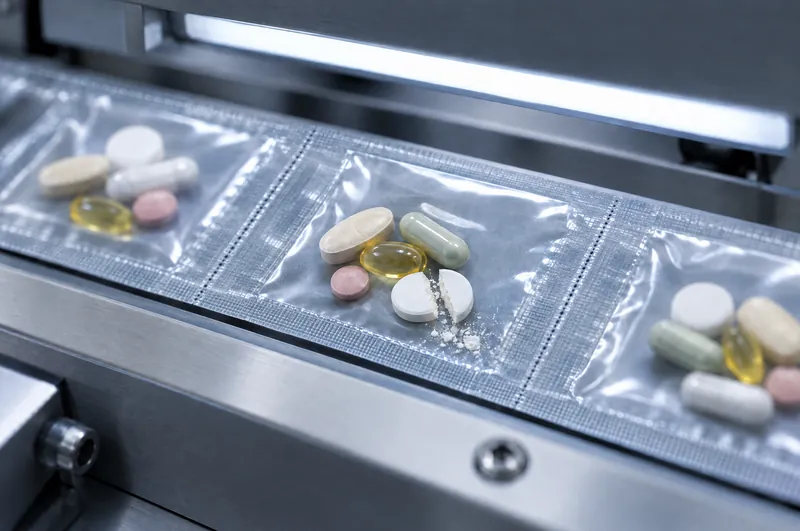
Service 4 of 4
Performance tune-up
- Who it's for
- Pharmacies with a packager already installed that is rejecting too many pouches, running slowly or going down.
- What Charles does
- Reads your rejection reports, checks cassette calibration for each NDC, and looks at refill, cleaning and barcode workflows. Vision inspection rejects pouches for broken or half tablets, dust and particles, and wrong counts, and each cause has a different fix.
- What you get
- A reject rate moving toward the under-2% that customers expect, and workflow fixes your team can keep up.
- Typical timeline
- Usually four to eight weeks, including time to confirm the reject rate has come down.
Not sure which service fits?
Start with a call. Charles will ask where your project stands and tell you plainly what he would do next.